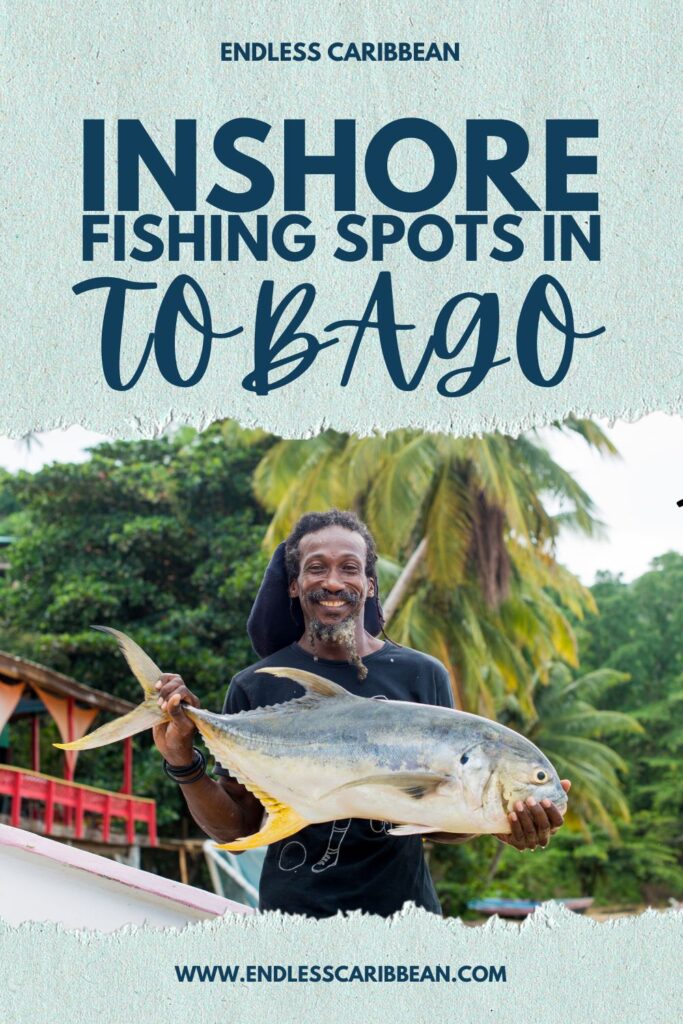
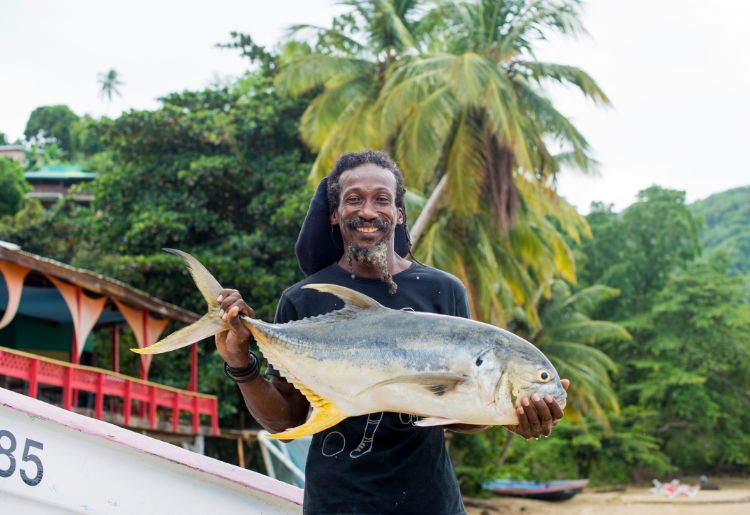
Inshore fishing spots in Tobago consist of flats, mangrove creeks, and sheltered bays. These are the preferred spots where tarpon, snook, permit, and jack crevalle feed. For the best chance of hooking trophy inshore species, target the shallow flats around Speyside and the leeward bays near Crown Point at dawn or dusk.
This guide will tell you which spots hold fish seasonally, which tides and techniques work best, and what gear and local rules maximize time on the water without wasting trips. You will also receive practical tips on tackling flats sight-fishing, snook ambushes in mangroves, and where guided charters concentrate effort to put anglers on fish.
Popular Inshore Fishing Spots in Tobago
These spots offer accessible shorelines, shallow flats, and sheltered bays where anglers commonly target snook, jack crevalle, tarpon, and reef species. Each location has distinct structure, access points, and seasonal patterns that affect bite times and tackle choices.
Charlotteville Bays
Charlotteville’s bays on Tobago’s northeastern coast feature a mix of sandy flats, mangrove channels, and nearshore reefs within short boat runs. Anglers often find tarpon and snook in the mangrove mouths at high tide, while flats near the beaches hold juvenile jacks and small permit.
Shore access is available from the village beach and small jetties, but many anglers prefer skiffs to reach quieter channels. Light spinning gear, 10–20 pound leaders, and live bait (shrimp or small crabs) work well here. And the most seasoned fly anglers will tell you to target the flats on calm mornings.
When fishing at Charlotteville Bays, you should pay attention to the tides. Incoming tides push baitfish into the mangroves and narrow channel which catch the attention of predators. Local captains will also advise to check winds, because strong northeast trades can make eastern exposures choppy.
Scarborough Waterfront
Scarborough’s waterfront blends public piers, rocky points, and sheltered coves inside the capital’s harbor. It suits anglers seeking quick, accessible inshore action without long boat rides.
Common catches include snook, snappers, and reef-associated species around jetties and submerged structure. Fishing from the Scarborough jetty or small boats near the harbor mouth can produce steady bites, especially in the two hours after tide changes.
Tackle recommendations favor medium spinning outfits, 20–30 pound braided mainlines, and fluorocarbon leaders around 20 pounds to handle abrasive structure. Night and dusk sessions often improve results for snook and sheepshead.
Pigeon Point
Pigeon Point, on the southwest coast, offers broad sheltered bays, seagrass flats, and nearby coral outcrops. The area is popular for family-friendly inshore trips and guided flats fishing.
Anglers target species such as bonefish, juvenile tarpon, and snapper along the grassy flats and shallow channels. Shallow-draft boats or wade-fishing provide access to feeding lanes, and calm conditions and low wind are ideal for sight-fishing.
For efficiency, use light to medium tackle, 8–15 pound leaders for bonefish, and heavier 20–30 pound leaders when tarpon are present. Early morning and late afternoon sessions typically yield the best sighting opportunities and calmer water.
Buccoo Reef Area
Buccoo Reef and its surrounding lagoon include protected reef patches, channels, and the Buccoo Bay flats—a diverse inshore environment. The reef creates structure that attracts snapper, grunts, and occasional barracuda near the reef edges.
Fishing boats commonly launch from Buccoo village, with short runs to reef edges and shallow mangrove-lined channels. Anglers target reef fish with bottom-rig setups and chase snook or jacks along channel mouths during tide shifts.
Strong currents can run through the channels and will determine what gear you should use. Anglers rely on heavier leaders (30–50 pound) when targeting toothy species and respect marine park regulations regarding anchoring and take limits. Local guides know the reef’s safe passages and best seasonal zones.
Best Species to Target Inshore
Tobago’s inshore waters offer accessible, high-value targets that reward precise tackle, local timing, and knowledge of tidal movement. Fish such as snook, tarpon, bonefish, and various snappers respond predictably to bait choice, tide stage, and structure.
Snook and Tarpon
Snook and tarpon concentrate around mangrove channels, creek mouths, and tidal flats where current funnels baitfish and crustaceans. Anglers should fish rising tides into shaded channels at dawn and dusk. For live bait use mullet or small crabs for snook. Tarpon will take large live baits (pinfish, mullet) or stout artificial plugs when feeding aggressively.
It is best to use medium-heavy spinning or baitcast gear for snook (20–30 pound leader) and heavy saltwater gear for tarpon (50–100 pound leader or heavy wire when targeting big juveniles and adults). A useful tip is to vary retrieve speed across structure. This is because snook often hit tight to mangrove roots, while tarpon will roll and test anglers in open channels before headshaking runs. Be aware – there are some closed-season regulations in place for snook and tarpon.
Bonefish
Bonefish frequent shallow white-sand flats, grass beds, and the edges of channels, often in schools. Sight fishing on a calm day yields the best results, and anglers should approach quietly in a poling skiff or wade with light flats tackle.
Light spinning or 7–8 weight fly gear paired with 10–20 pound fluorocarbon leader gives the needed stealth and presentation. Present small crabs, shrimp, or shrimp-pattern flies with short, accurate casts ahead of cruising tails. Bonefish are fast and wary, so you have to be cunning. Quick hooksets and good drag management are essential to avoid break-offs on sharp turns around the boat or reef edges.
Snapper Varieties
Inshore snapper species—mutton, lane, and Cubera juveniles—aggregate around rocky points, wrecks, and reef patches inside the bay. They bite throughout the tide but often feed best on falling tides when smaller bait is pushed off flats into structure.
The best option here is to use medium-action rods with 20–40 pound braided mainline and a shock leader. Cut bait (squid, mullet) and live pilchards work well. Remember to switch to bottom rigs with a sinker weight suited to current. Targeting snapper requires patience, so you have to present bait to structure edges and expect hard, bottom-hugging runs. To prevent bite-offs from the strong jaws of Cubera, use wire or heavy leaders.
Prime Tides and Seasons for Inshore Fishing
Tobago produces its best inshore fishing when seasonal water temperatures, local bait runs, and predictable tides align. Anglers find the most consistent action by matching month, tide stage, and prevailing weather with target species and habitats.
Peak Months
The clearest windows for snook, tarpon, and schoolmaster run from November through May. Cooler, clearer water concentrates baitfish along windward flats and channels during December to March, which boosts sight-fishing for permit and bonefish on shallow flats.
April and May often trigger scaled-down tarpon and juvenile snook migrations into mangrove creeks as water warms. These months favor light tackle and topwater presentations. June through September sees more scattered inshore action because heavier rains raise turbidity, but early morning slack tides can still produce good redfish and jack crevalle bites.
When planning your fishing trip, chart outings by species. For snook and bonefish, target mangrove creeks and grass edges in the dry season. Focus on deeper channel cuts and drop-offs at the start and end of the dry season for tarpon and larger jacks.
Optimal Tidal Conditions
Incoming tides that flood flats and push bait toward mangrove edges produce the most reliable strikes. A rising tide allows predators to access shallow feeding areas; anglers should work shallow grass and mangrove edges during the first two hours of the flood.
Outgoing tides concentrate bait into cuts and holes; the last hour of the ebb and the first hour of the next slack often shows concentrated feeding in deeper channels. On full and new moons, larger tidal ranges amplify current and bait movement. Use heavier leaders and stronger rigs when fishing rips and cuts created by these tides.
Slack water can be productive for sight fishing in ultra-clear conditions, but it usually requires precise presentations and stealth. Adjust retrieves to the tide speed: slow, subtle retrieves on weak flow; faster, erratic strips when current runs strong.
Weather Considerations
Sustained northeast trade winds (15–25 knots) clear water on Tobago’s windward side but create wind-driven currents that push bait into leeward flats. It is best to fish these leeward flats on moderate trade wind days, and on very windy days move to protected coves or deeper channel edges.
Heavy rainfall from troughs or tropical systems increases turbidity and pushes fish into deeper, calmer water. When this happens, target channel breaks and mangrove mouths after rain when tides are moving. Water temperature swings of 2–3°C between seasons alter feeding intensity. Cooler winter-like waters slow metabolism and favor larger, slower-moving baitfish, while warmer months increase surface activity and topwater opportunities.
Effective Techniques for Inshore Fishing
The most effective techniques for inshore fishing focus on presentation, timing, and gear match for the species and structure being fished. You have to adjust line class, terminal tackle, and retrieval speed to the target. Popular fish such as tarpon, permit, snook, and bonefish each demand distinct approaches.
Light Tackle Approaches
For most flats and back-reef work, use 6–10 pound spinning setups. Then, use 12–20 pound for snook or heavy structure near mangroves. To preserve sensitivity and abrasion resistance, match braid to a 10–20% fluorocarbon leader. 8–12 pound leaders suit bonefish and small jacks, while 20–30 pound leaders help with tarpon and tough snook.
If you want to avoid spooking fish on clear flats, cast short and accurate. Employ soft, controlled strips or slow retrieves over grass beds and sand channels. Use a long, steady drag setting to tire hard-fighting species without breaking light leaders.
Position the boat or wade quietly upwind of the target. Use a poling platform or stealthy approach to present baits to tailing or feeding fish without creating wake.
Live Bait Methods
Live crabs, penaeid shrimp, and small threadfin are top choices for Tobago inshore species. Fish crabs on a short shank circle hook with a 12–20 pound leader for permit and snook; use a small weight to keep the bait near structure. Shrimp on a small 1/0–2/0 circle hook works well for snook and juvenile tarpon.
Hook live bait through the back or tail for natural movement. Free-lining works in shallow flats. You can choose to add a small split shot if current or wind requires more control. For boat fishing near mangroves, use a 3–6 foot leader and cast into pockets where predators ambush.
Set the hook with a firm sweep for circle hooks—do not strike hard. When using live threadfin, keep them lively by aerating the bait well and presenting them close to structure where larger fish hold.
Artificial Lure Selection
Match lure size and profile to local forage. Small top water plugs (2.5–4 inches) for feeding tarpon and snook, shrimp-imitating soft plastics (2–3 inches) on light jig heads for bonefish, and paddle tail swimbaits (3–5 inches) for jacks and juvenile tuna. Use 10–20 gram jigs in deeper channels for quick-fall predators.
Retrieve technique matters more than brand. Use twitch-and-pause for top waters, short aggressive strips for swimbaits, and a lift-drop cadence for jigged soft plastics. Anglers recommend that you vary cadence until fish react and change color when visibility or light conditions change.
If you want to be successful when inshore fishing in Tobago, keep terminal tackle practical. Use weedless hooks for grass and mangrove edges, strong split rings for larger species, and fluorocarbon leaders to reduce visibility. Rotate lures after several casts if fish ignore them; persistence and adaptation often trigger bites.
Recommended Gear and Equipment
When buying gear, purchase durable, saltwater-rated gear sized for inshore species and a compact selection of terminal tackle that covers stripping, popping, and live-bait presentations. Because you are fishing in salt water, prioritize corrosion resistance, line strength for tarpon and snook, and light-to-medium rod power for versatility.
Rods and Reels
The ideal rod is a 7–7.5 foot medium-light to medium-power spinning rod for most inshore work. A 7 foot’ rod with moderate action gives casting distance for plugs and enough backbone to fight snook or small tarpon without excessive leverage. For heavier shore shots (mangrove drop-offs or bigger tarpon), a 7.5–8 foot medium-heavy rod helps control runs.
Reels must be sealed or corrosion-resistant saltwater models in the 3000–5000 size range for spinning combos. Choose reels with a smooth drag rated at least 15–20 pound for braided backing scenarios. Match the reel spool to braid of 20–50 pound test and use a 20–40 pound fluorocarbon leader depending on target species.
Terminal Tackle
Keep hooks, weights, and leaders simple and robust. Use 1/0–4/0 circle and wide-gap hooks for live bait and soft plastics; black-nickel or chemically sharpened hooks resist rust and hold well. For artificial work, trebles on plugs should be stout but sized to the lure (#2–#6 trebles common).
You will need a small range of sinkers – split-shot for shallow flats, 1/2–2 ounce bank sinkers for stronger currents, and egg sinkers for Carolina-style rigs. Use crimp sleeves or FG knots for braided-to-leader connections and add a short (18–36 inches) shock leader for abrasive structure. Also include a compact tackle box with swivels, snaps, and extra leaders so rigs can be changed quickly on shore.
Local Regulations and Conservation Tips
Fishermen should know permit rules, protected species limits, and practical conservation steps before heading out. Respecting size and bag limits, using proper gear, and returning vulnerable fish helps protect Tobago’s inshore fisheries for everyone.
License Requirements
Anglers will usually not need a personal rod licence for casual shore or small-boat fishing around Tobago, but regulations can differ for commercial operations and certain flats areas. Visitors who book through a charter should confirm whether the operator obtains any necessary permits for the trip; many local charters include licensing and registration as part of their service.
The Fisheries Division enforces rules on commercial licences, research permits, and special permits for activities like spearfishing or taking conch. Fishers should check current requirements with the Ministry of Agriculture & Fisheries before fishing, especially for organized trips, night fishing, or using nets. Carrying ID and a copy of any charter permit avoids enforcement issues.
Catch and Release Guidelines
Anglers should target catch-and-release for species under size limits, breeding-season catches, and any federally protected species. Use barbless hooks, heavy tippets only when necessary, and dehooking tools to minimize handling time and injury.
Keep fish in the water while unhooking when possible and avoid squeezing the belly or gills. Photograph quickly and revive sport fish by moving them slowly through oxygenated water until they swim away. Release juvenile or spawning fish immediately; retain only legal-sized catch that will be consumed.
Recommended gear practices:
- Use circle hooks for live bait to reduce gut-hooking.
- Carry needle-nose pliers, a dehooker, and zip-top bags for quick transport.
- Avoid leaving line or tackle in mangroves and on flats.
Following these steps lowers post-release mortality and supports long-term stock health around Tobago’s flats and reefs.
Guided Inshore Fishing Charters and Services
Local charters provide targeted access to sheltered flats, estuaries, and nearshore reefs. They supply rods, tackle, live bait, local knowledge, and often fish cleaning—allowing anglers to focus on catching species like tarpon, snook, and jack crevalle.
Top-Rated Local Guides
Experienced guides in Tobago commonly hold commercial captain licenses and decades of island fishing experience. They know tidal windows, preferred fly patterns, and the seasonal movements of gamefish in areas such as Speyside, Charlotteville, and the Buccoo/Mt. Irvine coast.
Clients rate guides on punctuality, boat condition, and ability to find fish quickly. Look for guides who offer transparent pricing, vessel safety equipment, and strong customer reviews that mention consistent hookups and helpful instruction. Many guides also provide photos or video of the trip upon request.
What to Expect on a Charter
Charters usually run half-day (4–5 hours) or full-day (8+ hours) and include rods, reels, tackle, and basic bait. Anglers should confirm what’s included—some operators add fuel surcharges, tackle loss fees, or dockage taxes.
There will also be a short safety briefing, a discussion of target species and techniques, and local conservation rules (size and bag limits). Guides often tailor trips to skill level: casting practice and fly instruction for beginners, stealth approaches and sight-fishing for experienced anglers. Remember to take sun protection, drinking water, and a valid ID. The charter will provide onboard fish cleaning and coolers.
Charters in Tobago
Operators range from single-boat captains offering personalized flats trips to small fleets running mixed inshore/nearshore days. Typical vessels include skiffs for shallow-water sight-fishing and center-console boats for nearshore structure work.
Booking options include private charters for families or couples, shared trips to reduce cost, and specialty trips for fly fishing or light-tackle spinning. Rates vary by season and trip length. Seasonal availability peaks during winter and early spring for migratory species. Before you book, confirm cancellation policies and whether the guide provides photography, tackle upgrades, or airport transfers before booking.
Here is a list of inshore fishing charters in Tobago:
- Fish Tobago Tours Fly Fishing Charters Fishing Trips
- Flats Stalker Fly Fishing Charters
- Tobago Fly Fishing
- Top Catch Charters Tobago
- Grand Slam Fishing Charters Tobago
- Monsta Tarpon Sport Fishing
- Reel Thunder Charters
Image: Tobago Tourism Agency Limited (TTAL)