Getting involved in charity and volunteering in the Caribbean is one fulfilling way to make a meaningful contribution. To get started, you need a clear, practical roadmap that gives insight into causes in the region. This guide shows which causes need help, what volunteer roles are available, which organizations run reputable programs, and how to join ethically and legally so your time and skills have real, lasting impact.
This guide shares concise overviews of charity landscapes across islands, profiles of major organizations, typical volunteer opportunities from teaching to marine conservation, and the common legal and ethical considerations to watch for. It also provides actionable steps for signing up, preparing for travel and cultural engagement, and navigating challenges like resource limitations and sustainability so efforts benefit communities in the long term.
Overview of Charity and Volunteering in the Caribbean
Charitable work in the Caribbean ranges from long-standing faith-based relief to modern conservation and youth education programs. Volunteers often focus on disaster recovery, marine protection, and community-driven social services.
History of Charitable Work in the Region
Charitable activity in the Caribbean began with missionary and colonial-era relief efforts that introduced formal schooling and basic healthcare to many island communities. In the 20th century, local NGOs, faith groups, and international agencies expanded services to address poverty, public health, and infrastructure deficits.
After major hurricanes in recent decades, external aid and volunteer deployments increased significantly. That response shifted practices toward coordinated disaster-preparedness, cash-transfer programs, and community-led rebuilding projects. Local civil-society leaders now often direct projects to ensure cultural relevance and sustainability.
Key Social and Environmental Challenges
Poverty and unequal access to education and healthcare remain persistent across several islands, with rural and informal urban communities most affected. Unemployment among young adults and limited vocational training drive migration and strain local social services.
Environmental threats include coral reef degradation, coastal erosion, and fisheries decline from overfishing and climate-driven warming. Increasingly intense hurricanes and sea-level rises amplify infrastructure vulnerability, making disaster resilience and ecosystem restoration priorities for charities and volunteers.
Impact and Benefits for Local Communities
Well-managed volunteer programs provide tangible benefits: rebuilt classrooms, rehabilitated reefs through coral planting, and youth mentorship that improves school attendance. Skills-transfer projects—such as vocational training in hospitality or sustainable agriculture—can raise household incomes and reduce migration pressure.
When local organizations lead planning, benefits persist after volunteers leave. That leadership improves accountability, aligns projects with community needs, and helps secure government or donor funding for scaling successful initiatives.
Major Charity Organizations in the Caribbean
This section highlights the types of charities active across the Caribbean, including global NGOs with local programs, region-wide networks and funds, and grassroots groups that deliver direct services. It emphasizes who they serve, typical activities, and how they operate.
International Nonprofits
International nonprofits bring funding, technical expertise, and disaster-response capacity to Caribbean countries. Examples include organizations that run emergency relief after hurricanes, support public-health campaigns, and fund long-term climate resilience projects.
They often partner with local governments and NGOs to scale programs quickly. Typical roles include logistics during crises, medical teams, school rebuilding, and training in climate-smart agriculture.
Donors and volunteers should note these groups usually require formal partnerships for in-country work, have defined safeguarding and compliance policies, and often focus on multi-year outcomes rather than one-off activities.
Regional and Local Initiatives
Regional networks and foundations coordinate resources across multiple islands and focus on shared challenges like disaster risk reduction, philanthropy development, and sector capacity building. Examples include philanthropic alliances, NGO directories, and regional funds supporting health, education, and livelihoods.
These initiatives prioritize policy advocacy, grant-making, research, and training for smaller NGOs. They often maintain searchable directories and convene funders, which helps local groups access grants and technical assistance.
They suit donors seeking strategic, multi-country impact and organizations that need capacity support rather than only direct service delivery.
Community-Based Groups
Community-based groups operate at neighborhood, parish, or island level and deliver direct services such as food distribution, literacy programs, swim lessons, and youth mentoring. Many formed after disasters or to fill persistent local gaps in education, nutrition, and livelihoods.
They rely heavily on volunteers, local fundraising, and in-kind donations, and they tend to move faster on immediate needs than larger agencies. Volunteers should expect hands-on roles, flexible schedules, and close community integration.
Supporting these groups often yields high visibility into impact; donors should check transparency, local leadership, and sustainability plans before committing funds.
Popular Volunteering Opportunities
Volunteers commonly work on projects that restore coastal ecosystems, teach in local schools, or support basic medical services. Each option requires different skills, time commitments, and preparation—know the typical tasks, local partners, and resource needs before committing.
Environmental Conservation Programs
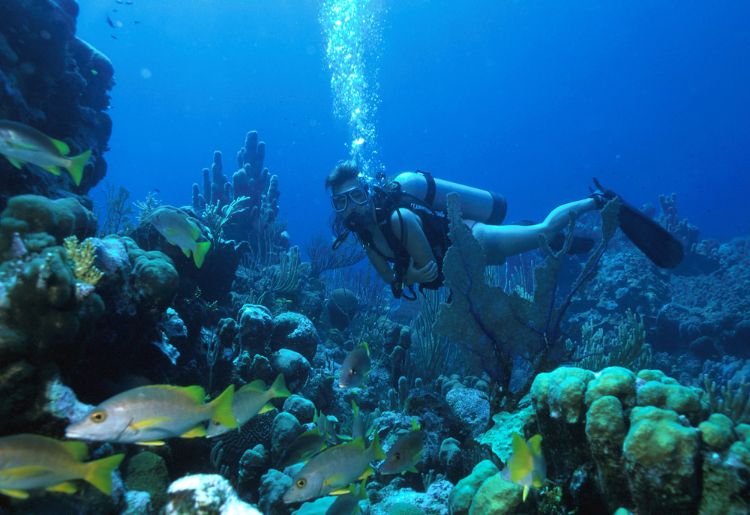
Environmental projects focus on coral-reef restoration, sea turtle protection, mangrove reforestation, and beach cleanups. Tasks range from hands-on fieldwork—monitoring nests, planting mangrove seedlings, conducting reef transects—to data entry and public outreach. Programs in Belize, Grenada, and Jamaica often partner with research groups or national parks, so volunteers usually follow protocols for species handling and data collection.
Expect physical work in sun, sand, or shallow water and basic training on safety, species ID, and data recording. Typical stays run from two weeks to several months; longer placements increase skill-building and scientific value. Volunteers should bring reef-safe sunscreen, sturdy footwear, and basic snorkeling gear if required. Vaccinations and travel health checks depend on the island and project type.
Education and Youth Outreach
Teaching roles include English instruction, literacy support, after-school programs, and sports coaching. Volunteers work in primary and secondary classrooms, community centers, or youth clubs in places such as Puerto Rico, the Dominican Republic, and Trinidad and Tobago. Common tasks: lesson planning, small-group tutoring, classroom activities, and extracurricular workshops.
Local partner schools set curriculum limits and student age ranges, so volunteers must adapt lessons to available resources and often deliver low-cost, activity-based learning. Basic teaching materials—markers, flashcards, simple craft supplies—can make a big impact. Background checks and a clear statement of teaching experience or qualifications are typically required. Short-term volunteers should focus on sustainable activities that local staff can continue after they leave.
Healthcare and Medical Missions
Medical volunteering spans community health education, basic clinical support, vaccination campaigns, and surgical campaigns with licensed teams. Project sites often operate mobile clinics or partner with local hospitals in rural areas of the Dominican Republic, Honduras, or smaller islands. Typical roles for medically trained volunteers include triage, wound care, maternal-child health screening, and assisting licensed practitioners.
Non-clinical volunteers support patient intake, translation, logistics, and health education workshops on sanitation and chronic-disease prevention. Licensing and supervision rules are strict: clinical tasks require proper credentials and local approval. Volunteers should confirm scope of practice, bring proof of qualifications, and prepare for resource-limited settings where diagnostics and supplies may be scarce.
Charity Events and Fundraising Efforts
Charitable activities in the Caribbean combine predictable annual appeals, community-centered physical events, and rapid-response drives tied to storms and environmental crises. Each approach requires tailored logistics, clear donor communication, and strong local partnerships to succeed.
Annual Giving Campaigns
Annual campaigns commonly run on a fiscal calendar and target recurring donors, corporate partners, and diaspora communities abroad. They use segmented email lists, door-to-door canvassing in neighborhoods, and targeted social media ads to renew support and report impact.
Clear budgeting and measurable goals matter: set a fundraising target, donor retention rate, and cost-per-dollar-raised metric before launching. Many Caribbean NGOs pair annual asks with membership tiers or named recognition to encourage multi-year commitments.
Transparency builds trust. Provide quarterly impact reports, audited financials, and stories showing how funds supported specific programs—school supplies in Jamaica, water filters in Grenada, or training for fishing cooperatives in St. Lucia. Use local banks and payment platforms that accept remittances to ease giving from overseas supporters.
Charity Runs and Festivals
Charity runs, fun walks, and cultural festivals mobilize broad participation and generate sponsorship revenue plus ticket sales. Organizers secure permits from municipal authorities, plot safe routes, and contract medical and sanitation services well in advance.
Sponsorship packages should be tiered and concrete: logo placement, race bib branding, a staffed exhibition tent, and social media mentions. Offer early-bird registration discounts and family rates to boost sign-ups, and partner with local tourism boards to attract visitors during low season.
On the day, prioritize volunteer coordination, clear signage, and real-time social media updates. Track funds raised via on-site donation kiosks and mobile giving options. Post-event, publish participant numbers, sponsor contributions, and photos to acknowledge support and seed next year’s promotion.
Disaster Relief Drives
Disaster relief drives require rapid needs assessment, legally compliant collection channels, and coordinated distribution with local authorities. Focus initial efforts on essentials: clean water, tarps, medicine, and cash assistance for displaced families.
Set up an incident command structure with roles for logistics, intake, warehousing, and beneficiary registration. Use standardized intake forms and photo-verified delivery records to prevent duplication and ensure accountability. Partner with regional organizations for cold-chain requirements and larger-scale supply routing.
Communicate clearly about what is being collected and how donations will be used. If accepting cash, specify banking details and timeline for disbursement. If collecting goods, publish an itemized priority list and drop-off points to avoid waste and storage bottlenecks.
How to Get Involved
Start with a clear goal—skill-based teaching, marine conservation, or community development—and match it to the island’s needs, seasonality, and language requirements. Verify logistics: costs, accommodation, insurance, and required vaccinations before committing.
Finding Volunteer Placements
To get involved in charity and volunteering in the Caribbean, begin by narrowing locations and focus areas. Use reputable platforms (Volunteer World, GoAbroad, IVHQ, Worldpackers) and local NGO websites to compare projects, fees, and start dates.
When researching, check recent participant reviews, ask for references, and request a sample daily itinerary to confirm actual work vs. sightseeing. Confirm what the fee covers: lodging, meals, in-country support, and permits.
Another option is to contact embassies or local conservation authorities for program legitimacy, especially for marine or protected-area work. Look for projects that work with local partners and show measurable goals, such as species counts or school-term curricula.
If you are short on funds, you can seek exchanges that offer room and board for specific tasks. You can also apply for small travel grants from environmental or education foundations.
Choosing the Right Organization
When vetting charity organizations in the Caribbean, prioritize those with transparent finances, local partnerships, and clear safeguarding policies. Where possible, request written policies on child protection, volunteer roles, and grievance procedures before paying anything. Always opt for groups that hire local staff and publish impact reports or monitoring data.
It is also important to assess training and supervision. A reputable program will provide orientation, ongoing mentoring, and a clear scope of work. Before you sign on, review cancellation/refund terms and insurance requirements.
If a project involves clinical or technical tasks, verify credential requirements and legal permissions. For community development, choose long-term programs that emphasize capacity building over short volunteer-led fixes.
Virtual Volunteering Opportunities
Virtual roles suit volunteers who cannot travel but still want to provide ongoing support for Caribbean initiatives. Common roles include lesson planning, remote tutoring in English or math, grant writing, social media, and data entry. When reviewing remote volunteering opportunities, confirm time-zone expectations and if there is reliable internet access for Caribbean partners.
Virtual placements should have clear deliverables, regular check-ins, and a named local coordinator. Ask for onboarding materials and a trial period to assess fit. Use platforms that verify project hosts and allow secure, tracked contributions to avoid wasted time or funds.
Legal and Ethical Considerations
Legal liability, immigration status, duty of care, and community impact shape how charities operate in the Caribbean. Ethical practice demands transparency, cultural respect, and long-term planning to avoid harm and ensure benefits reach intended communities.
Volunteering Laws and Regulations
Each Caribbean jurisdiction sets different rules for volunteer engagement, so organizations must verify national and local laws before placing volunteers. Key areas to check include work-permit requirements for foreign volunteers, tax-exempt status for host charities, and background-check obligations for roles involving children or vulnerable adults.
Organizations should document volunteer roles and agreements in writing. Contracts or memoranda should state scope of work, duration, insurance coverage, and liability limitations. Failure to record these details increases legal risk for both the host organization and the volunteer.
Throughout the region, health and safety regulations vary. Charities must provide training, personal protective equipment, and risk assessments for field activities. Data-protection laws also apply when handling personal information—secure storage and clear consent procedures protect both beneficiaries and volunteers.
Responsible and Sustainable Practices
Responsible programs align volunteer skills with community-identified needs and avoid creating dependency. Effective charities perform needs assessments, set measurable outcomes, and prioritize capacity building—training local staff and transferring skills rather than substituting paid local labor.
Ethical considerations include respecting local culture, language, and governance. Volunteers should work under local supervision, follow community protocols, and avoid initiating projects without local partner consent to prevent cultural harm or mission drift.
Financial transparency matters: publish budgets, explain how volunteer-related costs are used, and ensure donations fund community priorities. Monitoring and evaluation should include community feedback mechanisms so programs adapt and remain accountable to the people they serve.
Challenges and Solutions in Caribbean Volunteering
Charity and volunteering in the Caribbean faces logistical, financial, and governance hurdles that limit participation and long-term benefits. Practical fixes include lowering travel and visa barriers, improving volunteer training, and aligning projects with local priorities and capacity.
Addressing Barriers to Participation
Cost and logistics often exclude local and international volunteers. Organizations can offer sliding-scale fees, local stipends, or travel grants and partner with airlines or host families to reduce accommodation expenses.
Language and cultural mismatches reduce effectiveness. Programs should require basic local-language competency, provide cultural orientation, and match volunteers to roles that fit their skills and respect community norms.
Legal and safety concerns deter volunteers. Clear guidance on visas, background checks, and health precautions helps. Establishing formal agreements with local authorities and insurance providers protects volunteers and communities.
Volunteer management capacity varies across islands. Investing in local staff training, volunteer coordinators, and simple management tools (scheduling, reporting templates) improves retention and performance.
Building Long-Term Impact
Short-term projects often leave limited sustainable benefits. Funders and organizations should prioritize multi-year funding and handover plans that transition responsibilities to local partners.
Skills transfer requires structured approaches. Create documented curricula, mentorship pairings, and measurable competency milestones so local staff retain knowledge after volunteers depart.
Monitoring and evaluation remain weak in many programs. Implementing basic M&E frameworks—clear indicators, baseline data, and quarterly reviews—allows adaptation and demonstrates results to stakeholders.
Avoiding duplication improves resource use. Maintain a shared registry of active projects and collaborate with local NGOs, government agencies, and community leaders to identify gaps and scale complementary initiatives.
Image: Turks & Caicos Tourist Board